How to become a journalist
Research, compose and edit news stories, reports and opinion pieces for print or electronic publication.
What does a journalist do?
Journalists research, compose and edit news stories, reports and opinion pieces for print or electronic publication. They may write for news, travel or entertainment purposes or for the advertisement of products.
Duties and tasks
- Analyse current events, news articles, films, books, performances and celebrity news to write opinion pieces and reviews.
- Create advertisements for a variety of media based on product attributes and targeted market.
- Research and analyse information on important current events, product information, recent studies or entertainment using factual information, interviews, police reports and investigations.
- Work with clients, management, editors and stakeholders to produce appropriate content for intended audience and purpose.
- Write and edit informative material for textbooks, product manuals, references, brochures, etc.
- Write and edit pieces on public interest for a variety of sources such as television, newspapers, magazines and online news sources.
Industry bodies
- Australian Society of Authors (ASA)
- Institute of Professional Editors Limited
- Journalism Education and Research Association of Australia
- Media Entertainment and Arts Alliance (MEAA)
Related jobs
- Author
- Columnist
- Feature writer
- Leader writer
- Media producer & presenter
- Public relations professional
- Reporter
- Researcher
- Technical writer
- Writer and editor
Discover related degrees

UndergraduateGRF-ART-DEG
Build in-demand skills for a changing world
Develop your skills in critical thinking, writing and research to become an asset across all industries. Tailor your degree to your interests through majors and electives that support your goals. Build connections through networking and experience.
- Study method
- 100% online
- Duration
- 3 years full time or part time equivalent
- Entry requirements
- No ATAR required. Start with a subject.
Available majors
- Creative Writing,
- History and Society,
- Journalism,
- Literature and Culture,
- Strategic Communication
UndergraduateGRF-JRN-DIP
Build skills to create impactful stories across platforms
Work on the professional practices journalists need to get started. You’ll explore investigative reporting and media law. Build practical skills for multiple formats. Gain industry insights. Graduate ready for entry-level roles or continue your studies.
- Study method
- 100% online
- Duration
- 1 year full time or part time equivalent
- Entry requirements
- No ATAR required. Start with a subject.
Undergraduate Certificate in Journalism
UndergraduateGRF-JRN-CTF
Make a start in journalism with a practical foundation
Take your first step towards becoming a journalist. You’ll learn the foundations of reporting across digital, print, and broadcast. Build core writing skills. Appreciate ethics. Graduate with a solid base and a pathway to further study.
- Study method
- 100% online
- Entry requirements
- No ATAR required. Start with a subject.
Advanced Diploma in Journalism
UndergraduateGRF-JRN-ADP
Creative and technical skills for reporting and media careers
Study a combination of journalism skills and theory. You’ll work on investigating, writing, and broadcasting. Explore global media challenges. Graduate prepared for professional roles or further study in communications and media.
- Study method
- 100% online
- Duration
- Approx. 1.5 years full time or part time equivalent
- Entry requirements
- No ATAR required. Start with a subject.
Discover related subjects

UndergraduateCUR-CWG320
- Study method
- 100% online
- Entry requirements
- No ATAR required. Start with a subject.
- Start dates
- Starts 1 Mar 2027, 30 Aug 2027

UndergraduateLTU-JRN2SRP
- Study method
- 100% online
- Entry requirements
- No ATAR required. Start with a subject.
- Start dates
- Starts 1 Mar 2027
UndergraduateLTU-JRN2001
- Study method
- 100% online
- Start dates
- Starts 1 Mar 2027
Journalism for Solutions and Social Justice
UndergraduateGRF-LHS357
- Study method
- 100% online
- Entry requirements
- No ATAR required. Start with a subject.
- Start dates
- Starts 12 Jul 2027

Need help making study choices for your career?
Our student advisors will turn your aspirations into a clear study path.
They'll help you with:
- Choosing and enrolling in the right course for your desired career, including pathway options.
- Mapping a study plan that allows you to balance work and home commitments.
- Understanding eligibility for funding, including HECS-HELP loans.
Get unbiased advice at no cost today.
Looking for other ways to start the conversation? Contact us
Step up your career with these resources
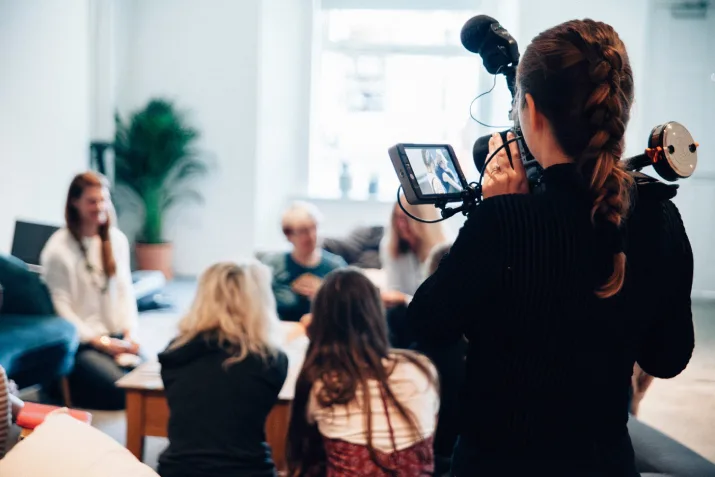
How to get a journalism internship
Journalism can be a tough industry to break into—but completing an internship can help you stand out from the crowd.
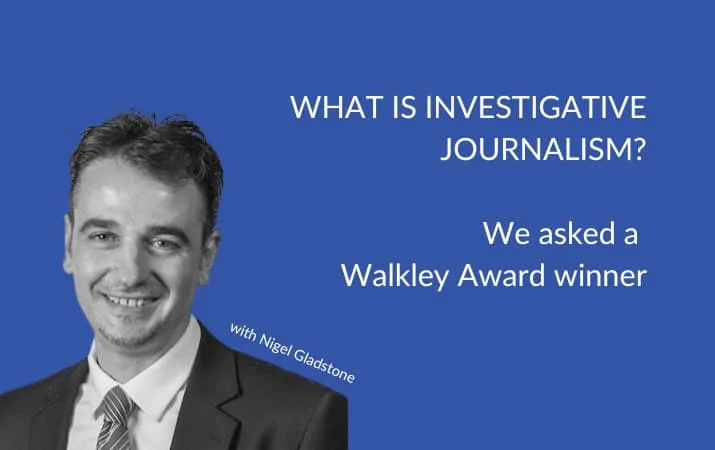
What is investigative journalism? We asked a Walkley Award winner
We spoke to The Sydney Morning Herald journalist Nigel Gladstone on what it means to uncover major news stories as an investigative journalist in Australia.

What's it like being a food critic?
We spoke to Lee Tran Lam and Rushani Epa, seasoned food journalists (pun entirely intended) and occasional food critics.

The main types of journalism you can pursue in your career
Do you have a flair for the written word, a voice perfect for radio, or a knack with data? Let’s explore the different fields of journalism so you can figure out which one is right for you.