How to study psychology online in Australia
By Samira KambojPublished on
When you imagine yourself studying psychology online, do you have a strong picture in your head of what it would be like? Samira Kamboj, our psychology course specialist, reveals exactly what you can expect with most universities.
Is online study right for you?
Whether online study is the right fit depends on your schedule, your goals and how you like to learn.
It may be a good fit if you:
- prefer the freedom of learning remotely rather than travelling to a campus
- want to build your psychology knowledge while continuing to meet other commitments
- are a parent or carer who needs to study around an irregular timetable
- live in a regional or remote area and can’t easily access a campus
- had a difficult or non-traditional school experience and would like to study in a safe online environment.
It may be less suitable if you:
- want the full on-campus experience, including clubs, events and student life
- can’t set aside regular study time each week
- find it hard to stay motivated without a set class timetable
- learn best through face-to-face discussion and immediate feedback.

What does studying psychology online actually look like?
Online study is more structured than you might think. You'll follow a weekly schedule with learning activities and assessment deadlines, but you have more control over when you complete that coursework.
What to expect from your coursework
When you first start as an online student, you’ll be given a login to your university’s Learning Management System. This is the online environment where you’ll access:
Lesson modules
These contain the coursework you’re expected to complete each week for your subjects, such as readings, videos, quizzes and interactive activities. Some universities release new materials week by week, while others make content available at the start of semester to be completed to a schedule.
Lectures
In most online psychology subjects, lectures are pre-recorded, so you can watch them when it suits you. Some universities also offer live online sessions to revisit key concepts or answer questions, with recordings often made available afterwards.
Tutorials
Tutorials give you a chance to explore the weekly content in more depth, ask questions and apply what you’re learning.
Depending on the subject, they may be:
- held live through video conferencing
- recorded for students who can’t attend
- delivered through discussion boards or online activities
- compulsory or optional
Announcements and discussion forums
Teaching staff use announcements to share reminders, updates and important information about your subjects. Discussion forums allow you to ask questions, respond to activities and connect with tutors and other students.
Assessments
You’ll submit your assessments to fixed deadlines through the learning platform. In psychology, assessments typically focus on applying research and evidence, and often include quizzes, essays, research reports, literature reviews, case study analyses, presentations, group projects completed remotely with classmates, and online exams.
Grades and feedback
Once your work has been marked, you can usually view your grade and written feedback through the platform.
How much time should you allow?
Psychology is a reading-intensive discipline, so it’s recommended you set aside at least 10 to 12 hours per week for each subject.
This gives you enough time to watch and reflect on your lectures, complete learning activities, and prepare assignments.
What are the most common worries that students have?
One of the biggest worries I hear from new psychology students is whether they’ll be able to cope with the statistics involved in the degree. Most are excited to begin the introductory psychology subjects, but feel less confident about their maths ability.
My advice is not to let that put you off. I felt exactly the same way when I studied my own Bachelor of Psychology, but after accessing the university’s free tutoring, I did well. Statistics is a skill you build over time, not something you’re expected to be perfect at from day one.
Another common concern is the first assessment. It's natural to worry about whether you're "doing university the right way", especially if it's your first time studying or you're returning after a long break. I love telling students they can actually submit a draft of their assignment to a peer mentor or tutoring service to get feedback. After doing that with their first few assessments, they find their confidence grows and the rest of the semester feels much more manageable.

What support is available?
Support varies by university, but the exact services you can access include:
- Tutoring or peer mentoring. You can book a session to get help anywhere you’re struggling, like academic writing, statistics, study planning and assessment preparation. Some universities even offer 24-hour online study assistance.
- Library support over the phone, email or chat. Your university’s library staff can help you navigate databases, find research and learn how to reference your sources correctly.
- On-demand study resources. Most universities provide free modules on skills like academic writing, referencing and using software. For example, you may need to learn statistical analysis program SPSS.
- Assignment feedback: This means you can upload an assignment draft or discuss your approach before submitting. Rather than correcting your work, you’ll get feedback on the structure, argument and grammar so you can improve it yourself before the deadline.
- Disability and accessibility support. You can request accessible materials, assistive technology or changes to assessment conditions if needed. Read our guide to disability support for online students for more information about this.
What qualifications can you study online in psychology?
You can study a wide range of psychology qualifications online, including through Open Universities Australia.
Depending on the provider, these may include:
- Short courses
- Single psychology subjects
- An Undergraduate Certificate in Psychology or Psychological Science
- A Diploma of Psychology or Psychological Science
- A Bachelor of Psychology or Psychological Science
- A Graduate Certificate in Psychology (where available)
- A Graduate Diploma in Psychology
- Fourth year studies - a Graduate Diploma in Psychology (Advanced) or Honours in Psychology
- A Master of Psychology (some specialisations)
Most undergraduate psychology qualifications can be studied 100% online. If your goal is to become a registered psychologist, you'll usually encounter more in-person requirements during postgraduate professional training.
Programs such as the Master of Psychology include supervised placements and practical training, so they are usually delivered in a hybrid format or on campus rather than entirely online. That's why you won't find this course available through Open Universities Australia.
Entry requirements and alternative pathways
Most online psychology qualifications have the same entry requirements as their on-campus equivalents, which you can read about in our psychology entry requirements guide.
However, studying online can give you access to a wider range of entry pathways, particularly if you haven’t studied at university before.
The pathways specifically available through Open Universities Australia are:
- Open Access subjects: These are individual psychology subjects that are open to anyone. They allow you to sample introductory psychology topics and gain confidence before deciding if you want to progress into a degree, often with credit.
- Undergraduate certificates: This short qualification has low to no entry requirements and offers a direct route into a Bachelor of Psychology with several universities. In most cases you receive credit for the subjects you complete.
Read more about alternative pathways into psychology.
What it means to study online through Open Universities Australia
Studying through Open Universities Australia can give you extra help choosing a pathway, enrolling and planning a flexible study load.
We’re a not-for-profit organisation that exists to make university more accessible. We make it easier to enrol and plan your studies, while your university delivers the teaching and awards your qualification.
For many students, it can be a reassuring way to start because you'll have a student advisor, like me, who gets to know your goals and can support you throughout your study journey, alongside the services provided by your university.
Which online psychology qualification is right for you?
If this sounds like you: | Consider: |
You want to explore psychology without committing to a qualification | A short course. You'll study university-level content in a focused area of psychology over a shorter period. |
You don’t currently meet the entry requirements for a psychology degree | A pathway option, such as a single subject or undergraduate certificate. |
You're ready to work towards a psychology qualification | A psychology degree. If it's your first degree, you'll usually start with a bachelor degree. If you already have a degree in another discipline, you may be able to start with a graduate certificate or diploma. |
Our psychology degree guide can help you compare your options in more detail.
How long does it take to study psychology online?
One of the biggest advantages of studying psychology online is that you can choose a study load that suits your life.
If you want to finish as quickly as possible, you can study full time. If you're balancing work, family or other commitments, you can study part time instead.
Here’s what that looks like with some popular study options:
Study type | Full time | Part time* |
Single subject or short course | A study period (10-13 weeks) | A study period (10-13 weeks) |
Undergraduate certificate | 6 months | Around 1 year |
Diploma | 1 year | Around 2 years |
Bachelor degree | 3 years | Around 6 years |
Graduate diploma | 1 year | Around 2 years |
Masters degree | 2 years | Varies by university |
*Your overall timeline may be shorter or longer depending on how many subjects you take at once, whether you change your study load, and whether you take breaks between study periods.
How flexible is online psychology study?
Flexibility varies between universities and qualification levels. Before enrolling, check whether your subjects include scheduled online classes, compulsory attendance or, for postgraduate courses, placements and practical requirements.
You’ll generally have more control over when and where you study, but coursework and assessment deadlines remain fixed.
Usually flexible | Usually fixed |
When you watch lectures or work through learning materials | Due dates |
Whether you study during the day, evenings or weekends | Exam periods, where applicable |
Whether you study full time or part time | Some live tutorials or group activities, if required |
Where you study | Placement or practical requirements in some postgraduate courses |
The order in which you complete your subjects may be flexible too. Here's what online lecturer Catherine Ng tells us about studying psychology with Adelaide University:
At our university students don’t have to finish all their first-year subjects before they can go into second year. If they’ve done the prerequisites, even if they're still in first year, they can take some second-year subjects. There is a lot of flexibility. But students have to have the discipline and motivation to be self-directed in their learning.
Costs and funding options
Psychology course fees vary depending on the university, qualification and subjects you choose.
- At the time of writing, an entry-level psychology subject generally costs around $2,000 to $2,500, while an undergraduate certificate may cost approximately $8,500 to $9,000.
- For a bachelor degree, indicative total fees are typically around $25,000 to $45,000 for the full course.
- Graduate certificates and graduate diplomas can vary considerably, depending on whether the course is Commonwealth supported or full fee-paying.
It’s worth calling out that it does not cost more to study online. You also aren’t charged a fee to enrol through Open Universities Australia.
Student loans
Most online students, just like on-campus students, do not have to pay their fees upfront. If you’re eligible, you can apply for a HECS-HELP or FEE-HELP loan. This means you defer the cost of your course and only begin repaying your tuition fees when your income reaches the compulsory repayment threshold.
Through Open Universities Australia, eligible students can also use a HELP loan to cover the cost of individual university subjects.
A student advisor can help you compare psychology course fees, understand which loan applies and work through the likely cost of your preferred study pathway.
Online vs on-campus psychology courses
Ultimately, the right choice comes down to which study mode better suits your learning style, schedule and the kind of university experience you want.
Online | On campus | |
Flexibility | Easier to fit study around work, family or other commitments by choosing when and where you study. | More structured timetable with classes scheduled on campus. |
Interaction | Connect with tutors and classmates through live tutorials, discussion forums and group projects. | Build relationships through face-to-face classes, tutorials and informal conversations before and after class. |
Networking opportunities | Build connections through online group work, university communities and professional events, though you'll need to be more proactive. | More opportunities for spontaneous networking through campus activities, student societies and in-person events. |
Practical learning | Most undergraduate psychology study can be completed online. Some postgraduate qualifications include placements, practical training or intensive sessions that require in-person attendance. | Practical activities and any required in-person training are built into the campus experience. |
Neither option is inherently better. They simply suit different learners and lifestyles.
As Associate Professor Jacqui Yoxall, Head of Psychology at Southern Cross University tells us:
The course doesn't vary at all for somebody online or somebody who is studying face to face. It just means our face-to-face students are physically coming into campus for a tutorial, but all the students are joining together for the workshops online. It's not a completely different world if you're online.
How to get started studying psychology online
If you’re ready to learn, the next step is to compare your options and choose the course that fits your goals.
- Explore online psychology courses from Australian universities
- Compare course structures, entry requirements, fees and start dates
- Try Help Me Choose for help narrowing down your options
- Or read our guide to choosing the best online course for your situation
- Find a pathway that suits you if you don’t meet entry requirements
- Enrol online through us once you’ve made your choice
Need help choosing the right psychology course?
Book a Choose a Course consultation with a student advisor.
About the author
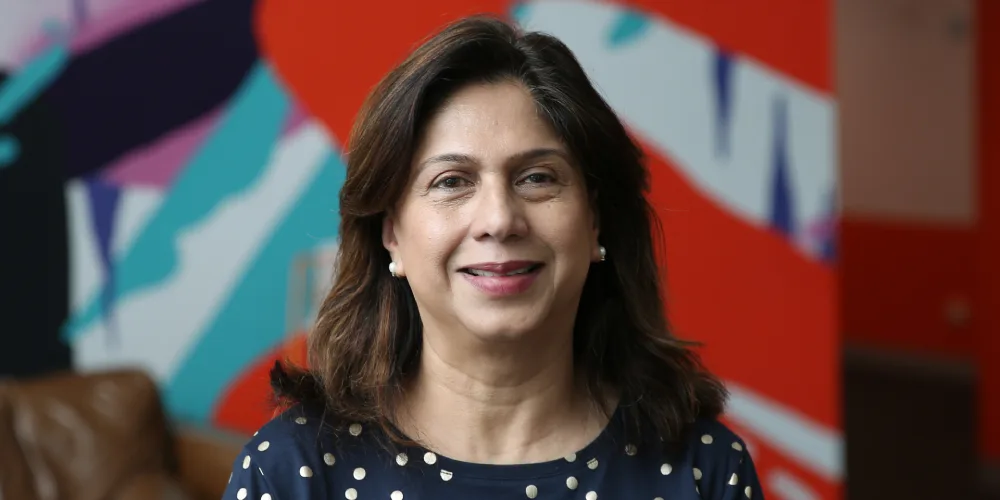
Samira Kamboj
Student advisor specialising in psychology courses
Samira Kamboj is our specialist in psychology course advice at Open Universities Australia. After returning to university as a mature-age student herself, Samira understands the difference education can make and is passionate about helping students from all backgrounds create new possibilities through study.
FAQs about studying psychology online
Are online psychology degrees recognised in Australia?
Yes. An online psychology degree awarded by an Australian university is the same university qualification as its on-campus equivalent. The mode of study does not change the qualification you receive.
Some psychology programs are also accredited by the Australian Psychology Accreditation Council (APAC). This means the program meets national standards for psychology education and can form part of the approved pathway towards becoming a registered psychologist.
Can you become a psychologist by studying online?
You can complete academic psychology qualifications online at undergraduate and postgraduate level, depending on the course and university.
However, the professional training required for registration includes supervised practical experience, so the full pathway usually can't be completed entirely online.
What technology do I need to study psychology online?
You’ll need a computer or laptop with a stable internet connection, a webcam and microphone for online classes or presentations, and software that can open documents, spreadsheets and PDFs. Your university will give you access to its learning platform, library databases and any specialist software required for your subjects.
Can I switch from an online psychology degree to on-campus study later?
Sometimes. It depends on the university, the course and where you are in your studies. Some students change study mode within the same degree, while others move on campus after completing one qualification, such as progressing from an online undergraduate certificate into an on-campus bachelor degree.
If this is part of your plan, talk to one of our student advisors before you enrol so they can help you choose a suitable pathway.