Psychology degrees explained: understand your study options
By Samira KambojPublished on
Not all psychology qualifications lead to the same destination. Student advisor Samira Kamboj is here to walk you through the different degree options, what they cover, and where each one can take you.
What qualifications can you study in psychology?
There are more psychology qualifications than many people realise, and they each serve a different purpose. As a student advisor, I'm regularly asked which qualification is the best fit for someone, and I'd love to help you figure that out too.
Let's walk through the main options, what they involve, and who they're designed for.
Undergraduate qualifications
You’ll start with one of these qualifications if it’s your first time studying at university.
Qualification | What it usually covers | Subject count | Typical duration | Common outcome |
Undergraduate Certificate in Psychology / Psychological Science | Introductory psychology and university study skills | 4 | 6 months full time | Entry into a bachelor degree, often with credit |
Diploma of Psychology/Psychological Science | Foundational psychology concepts and introductory university study | 8 | 1 year full time | A standalone qualification or pathway into a bachelor degree, often with credit |
Bachelor of Psychology / Psychological Science | Core psychology theory, research methods and electives | 24 | 3 years full time | A people-focused career or entry into fourth-year psychologist training |
Bachelor of Arts (psychology major) | Psychology combined with humanities or social sciences | 24 | 3 years full time | A career in human resources, marketing or another people-focused area |
Bachelor of Health Sciences (psychological science major) | Psychology combined with public health | 24 | 3 years full time | Health and community services careers |
Double bachelor degree in psychology and another discipline | Psychology plus a closely related area – criminology, law, business or counselling | Varies. Typically 32-40 | 3-5 years full time | Cross-disciplinary careers |
Undergraduate certificates and diplomas
These two qualifications are typically treated as stepping stones into a Bachelor of Psychology. Undergraduate certificates offer very low (and sometimes no) entry requirements and provide a faster pathway into the degree, while a diploma runs longer and gives you more time to adjust to higher education study.
You can read a full comparison in our guide to psychology pathway courses.
Good to know
- Both courses are popular with those who don’t have a high ATAR or didn’t finish Year 12. I often recommend them to mature-aged students who have never studied at uni before.
- Credit arrangements vary, but these qualifications can reduce the amount of study needed if you later move into a related bachelor degree.
- Undergraduate certificates commonly cost around $8,000 to $10,000, while diplomas may cost around $15,000 to $20,000. You don’t have to pay this upfront, though, and can generally defer this cost with a HELP loan if you’re eligible.
Explore short psychology qualifications
Bachelor of Psychology or Psychological Science
These are the most common psychology degrees and the qualifications I'd recommend exploring if you want to have a career in mental health.
Despite the different names, they’re very similar. The main differences are in the course structure and elective options. Both can put you on the pathway to psychologist registration, but you’ll need to check that the specific course is accredited by the Australian Psychology Accreditation Council (APAC).
You'll spend most of your time exploring why people think, feel and behave the way they do, alongside learning how psychologists use research and evidence to understand human behaviour.
Good to know
- Some universities include a short placement or community engagement subject that lets you experience psychology in a real-world setting, but professional placements usually only happen if you go on to postgrad.
- If you’d like to explore another interest alongside psychology, look for a course with flexible electives. For example, philosophy goes really well with psychology, because it gives you a different perspective on how people think.
- Total fees (over a three-year period) range from $30,000 to $50,000, but it depends on the university and whether you’re offered a Commonwealth supported place. You can defer the cost of your course with a HELP loan if you’re eligible.
- Entry requirements will vary depending on your academic background. Learn more about whether you’re eligible to apply in our guide to psychology degree entry requirements.
Explore psychology bachelor degrees
What is honours?
Honours is a fourth year of study that you’ll only need to complete if you want to become a registered psychologist. When selecting your bachelor degree, you can choose a course that has honours built in from the start, or you can apply for a separate honours year after graduating.
Bachelor of Arts (psychology major)
This is a great option if psychology interests you, but you don't want it to be your whole degree. You can combine it with other areas, like criminology, sociology, politics or philosophy, which gives you a broader perspective on people and society.
A lot of graduates use this mix of knowledge to build careers in policy, communications, community services, government and other people-focused fields.
Good to know
- The flexibility to choose from more subject areas can be helpful for discovering what drives you and what you’d like to do after uni.
- Some psychology majors in this degree are APAC-accredited and can form part of the psychologist registration pathway, but this isn’t common. I wouldn’t recommend this route if that’s your goal.
- Typical fees for a three-year degree are around $40,000 to $50,000, although this varies by university and subject mix.
Bachelor of Health Sciences (psychological science major)
If you're interested in the connection between psychology and health, this path is worth considering.
You'll study psychological science alongside health topics, which helps you understand how behaviour influences physical and mental wellbeing.
Good to know
- This will suit you if you’re keen to work in health promotion, community wellbeing and other health-related careers.
- You have a wide choice of electives across areas like digital health, law, media, languages and culture.
- Some psychological science majors are APAC-accredited, while others are designed for broader health careers, so check the course if registration is your goal.
- Typical fees range from $30,000 to $35,000, depending on the university and the type of place offered.
Explore health science bachelor degrees
Double degrees
Your final option is to complete a bachelor degree in psychology and another discipline – most commonly counselling, business, law or criminology.
The second discipline can give you a useful point of difference in your career. Someone with both psychology and legal knowledge will have a better understanding of how to help people navigate the justice system, while a psychology and business combination could help you become a specialist in organisational psychology.
Good to know
- Double degrees usually take longer. While a single bachelor degree will include 24 subjects, a double degree can include over 32, adding an extra year or two of full-time study.
- They also tend to cost more because you complete more subjects, with longer combinations such as psychology and law usually sitting at the higher end.
- The benefit is that you can keep two career directions open. Some psychology and law double degrees include an APAC-accredited psychology sequence while also meeting the academic requirements for legal admission, giving you the flexibility to pursue either pathway after graduation.
Explore double degrees in psychology

Postgraduate qualifications for professional development
If you already have a bachelor degree or years of relevant work experience, you’re likely ready to jump straight into postgraduate study.
These courses are for people who want to learn psychology knowledge for a field like business, human resources, leadership or project management, but have no interest in becoming a psychologist.
Read more about your eligibility in our guide to entry requirements.
Qualification | What it usually covers | Subject count | Typical duration | Common outcome |
Specialist graduate certificate e.g. Graduate Certificate in Business Psychology | Foundational knowledge of a specialised area of psychology | 4 | 6 months full time | Professional development; may also provide a pathway into a related graduate diploma |
Specialist graduate diploma e.g. Graduate Diploma in Business Psychology | Advanced psychological theory and its application in a specialised field | 8 | 1 year full time | Professional development, career change or a pathway into a related masters degree |
Specialist masters degree e.g. Master of Business Psychology | Advanced psychological theory, research and strategic application in a specialised area | 16 | 2 years full time | Specialist or leadership roles |
Good to know:
- A specialist masters degree is different from an APAC-accredited Master of Psychology and does not lead to psychologist registration.
- These courses can help you apply psychology in your work, but they do not qualify you to assess, diagnose or treat clients as a psychologist.
Explore postgraduate psychology degrees

Postgraduate qualifications that form the psychologist registration pathway
These qualifications make up the later stages of the psychologist registration pathway.
You’ll only continue with them if you want to train as a psychologist, but your starting point will depend on what you’ve studied before.
If you’ve completed an APAC-accredited bachelor degree, you can begin with honours or a Graduate Diploma in Psychology (Advanced). If your degree is in another field, you’ll first need to complete an APAC-accredited Graduate Diploma in Psychology.
Qualification | What it usually covers | Subject count | Typical duration | Common outcome |
Graduate Diploma in Psychology | Core psychology topics, including research methods and statistics | 8 | 1 year full time | Entry into honours or another approved fourth-year psychology program |
Honours or a Graduate Diploma in Psychology (Advanced) | Advanced psychology research, a major research project and fourth-year psychology studies | 8 | 1 year full time | Entry into a Master of Psychology or another approved postgraduate registration pathway |
Master of Psychology | Advanced assessment and intervention, professional ethics, supervised placements and research | 16 | 2 years full time | Eligibility to apply for general registration as a psychologist |
Good to know:
- Progression isn’t automatic. Fourth year and masters programs can be competitive, so your grades will matter.
- Make sure each qualification is APAC accredited or it won’t be recognised as part of the pathway.
- Placements usually begin at masters level and may involve set hours, travel or time away from work.
- Master of Psychology degrees are available in different specialisations, such as clinical, educational and developmental, organisational or forensic psychology. Check which area of practice the course prepares you for before you apply.
Read more about how long it takes to become a psychologist to fully understand the pathway.
Which psychology qualification is right for your goals?
I suggest starting with these questions:
- What do you hope to do with psychology?
- Does that goal require you to become a registered psychologist?
- What have you studied before?
- Do you want a focused degree or room to explore other subjects?
- Do you want to start small or commit to a full qualification?
Your answers should narrow your options to one or two qualification types. From there, you can start comparing individual courses.
What should you consider when comparing psychology qualifications?
Here are the other main things worth thinking about:
- Course structure: Look at the electives, research subjects, honours options and specialisations to see what appeals to you.
- Study mode: Do you want to study online, on campus or through a mix of both? What’s on offer? If you prefer online study, check if there are placements and any on-campus requirements.
- Fees and funding: Compare the total course cost, whether Commonwealth supported places are offered, and your HELP loan eligibility.
- Further study pathways: Check what the qualification can lead into, particularly if you may want to pursue honours or postgraduate study.
- Career options: Look at the roles the qualification can prepare you for and whether they align with your goals. Explore our guide to psychology jobs and career options for a broader overview.
- Overall value: Consider whether the time, cost and potential outcomes make sense for you. Read our guide to whether a psychology degree is worth it to help you decide.
How can you get started in psychology?
If you're ready to start exploring, here's a simple way to begin:
- Compare psychology qualifications offered by Australian universities.
- Consider which start date suits you best.
- Check whether you meet the entry requirements for your chosen course or if you could use an alternative pathway.
- Learn about what it’s like to study psychology online to help firm things up in your mind.
- Use Help Me Choose if you're not sure which course fits your goals.
- Book a Choose a Course consultation if you'd like more personalised support from an advisor like myself.
- Enrol with the university through us when you're ready.
Explore your study options through us
Browse the psychology qualifications that are available online through Open Universities Australia. We help you choose the right option and enrol, while you'll study directly with your chosen university.
About the author
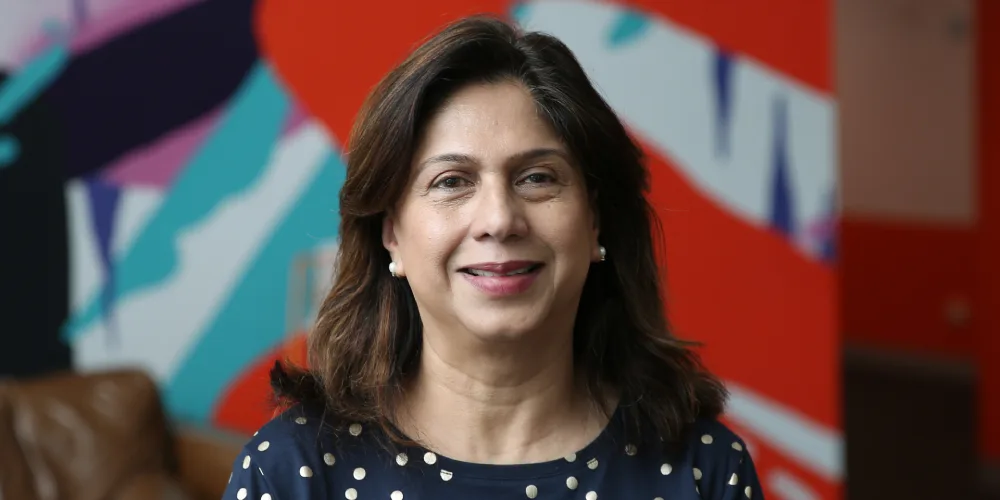
Samira Kamboj
Student advisor specialising in psychology courses
Samira Kamboj is our specialist in psychology course advice at Open Universities Australia. After returning to university as a mature-age student herself, Samira understands the difference education can make and is passionate about helping students from all backgrounds create new possibilities through study.
FAQs about psychology degrees
Do all psychology degrees cover the same core topics?
No. Most psychology degrees cover the core areas of psychology, such as human development, cognition, social psychology, biological psychology and research methods. However, the subjects, electives and overall course structure vary between universities.
Can I specialise in a particular area of psychology during my degree?
Usually not at an undergraduate level. Most certificates, diplomas and bachelor degrees are designed to give you a broad foundation across the discipline rather than training you in one specific area, though you may be able to explore interests like forensic, health or organisational psychology through electives.
If you want to specialise professionally, you can do so through postgraduate study.
Can I transfer between psychology degrees or universities?
Often, yes. If you've already completed psychology subjects, you may be able to receive credit towards a similar qualification at another university, reducing the amount of study you need to complete.
How much credit you'll receive depends on the university, the subjects you've already studied and whether they match the new course. If you're following the psychologist registration pathway, it's also important to make sure any new qualification is APAC accredited so you stay on track.
Will employers care which university my psychology degree comes from?
The university name is unlikely to be the main factor, but the course you choose can still affect your opportunities. Employers may look at your qualifications, registration status, relevant experience and the skills you developed through placements, research or work with particular client groups.
When comparing universities, focus on the experience and pathways the course offers rather than reputation alone.