How teacher placements work in Australia
By Sarah VercoePublished on
Planning your path into teaching? Find out how placements fit into your degree and what you can expect along the way.
What is a pre-service teacher placement in Australia?
A pre-service teacher placement, usually just called 'prac' or professional experience, is hands-on teaching time you'll do as part of your teaching degree. You'll work in a school alongside an experienced teacher who will supervise and mentor you.
Every teaching program in Australia requires placement, and that's a good thing. It’s the part of your degree where you actually get into a classroom and apply what you've learned.
Danielle Heinrichs Henry, the program director for the Master of Secondary Teaching at Griffith University, says many students are surprised “by how much they actually enjoy teaching and getting into the classroom and getting to know students”.
Placements are where you'll build your confidence, work out what kind of teacher you want to be, and get a real feel for classroom life.
How teaching placements work
Placement hours and structure
The number of placement days you need depends on your program. Bachelor of Education students have placements spread across a few years. Master of Teaching students typically pack requirements into two years.
Not sure which pathway suits you?
Compare the program structures for different teaching degrees.
Most placements are structured in blocks of two to six weeks at a time in a school. Some universities also offer dual primary/secondary degrees, where placements cover both areas.
Preparation before placement
Universities don't just drop you into a school. There's lots of prep work beforehand.
Before starting, you'll need a Working with Children Check (or your state's equivalent) and potentially other safety clearances depending on your state and the school you're placed in.
You'll also attend preparation classes at uni. “We've got eight weeks of classes specifically about prac before you go,” Danielle says. “So we're not just sending students out there without support.”
These sessions cover everything from what to wear and when to arrive, to lesson planning, classroom management, and what's expected of you.
What to expect during placement
A typical placement day
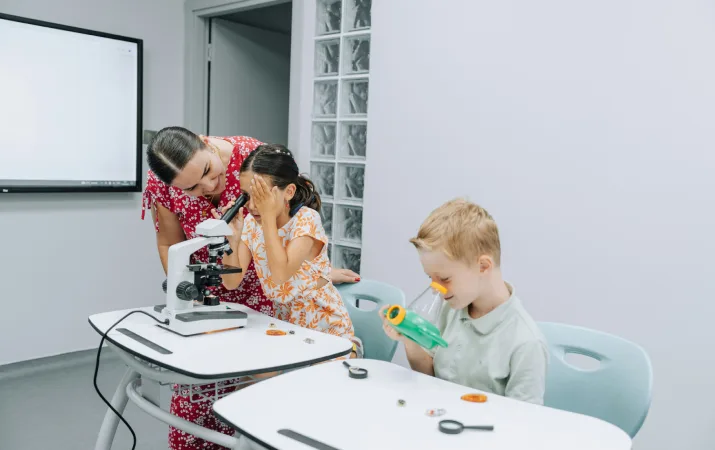
Your days will follow the school’s timetable, but most student teachers arrive before the students do to set up and prepare for the day. It’s also common to stay after school for meetings or planning. You’ll be involved in the whole school day, not just teaching, but also things like staff meetings and playground duty.
Curious what a full teaching day looks like beyond placement? Check out a day in the life of a primary school teacher.
How your responsibilities evolve
You won't be thrown in the deep end. Your responsibilities build gradually.
When you first start, you'll spend lots of time observing your supervising teacher and other educators. You might help with small groups or work one-on-one with students.
As you get more comfortable, you'll start planning and delivering lessons, managing classroom behaviour, and eventually running entire classes independently. By your final placement, you should be handling full teaching loads, showing you're ready to meet the graduate standards needed for registration.
How do placements vary across primary vs secondary?
Primary teaching placements
Usually mean you're with one class most of the day, teaching across all subject areas. You'll teach everything from literacy and numeracy to science, arts, and PE.
Secondary teaching placements
Usually focus on your specialist teaching areas, which are the subjects you're qualified to teach based on your degree. You'll work with multiple classes across different year levels, adapting your style for Year 7s vs Year 12s.
If you're interested in early childhood education, placements work differently. Learn more in our guide on how early childhood education placements work.

How to arrange your placement
You don't have to find your own placement. Your university handles the logistics of matching students with schools.
Loraine McKay, the Initial Teacher Education Director at Griffith University, explains that the placement team has to juggle matching students with schools that offer the right teaching areas, considering location and transport, ensuring schools have capacity, and working around personal circumstances.
You'll usually find out where you're placed a few weeks beforehand. If you've got specific concerns or needs, flag these early with your placement team.
How you’re assessed
During placement, you're being assessed against the Australian Professional Standards for Teaching at graduate level. Your supervising teacher will watch you teach, look over your lesson plans and reflections, and assess how you're doing overall. You'll also have a university liaison who visits and stays in regular contact.
Success means showing you can plan effective lessons, manage a classroom, adapt your teaching for different students, and behave professionally. But it's also about growth, says Loraine, such as taking feedback on board and getting better as you go.
The culture and relationships matter
One of the biggest factors overlooked in placement success is relationships. Loraine says:
Successful teaching is based on relational pedagogies, and if that person's gone in open minded to learn, and they've been quietly, professionally confident to share their expertise, and have done so in a safe setting, they just flourish.
Her advice? Be nice to everyone, and show genuine interest in learning, ask questions, and actually listen to feedback. Teaching is collaborative, and your ability to work well with others matters just as much as what you know, she says.

Tips for success
Do your homework
Engage with your coursework before placement and plan your lessons properly. Always have backup activities ready.
Build genuine relationships
Connect with your supervising teacher, other staff, and students. Even if you're experienced in other fields, you're still new to teaching. Humility helps.
Show you want to be there
Turn up early, stay a bit later when you can, and demonstrate genuine commitment. Make sure the principal knows who you are.
Ask for feedback (and use it)
Don't wait for it. Actively ask. Then actually do something with what you're told.
Look after yourself
Placements are exhausting and stressful. Rest, eat properly, and reach out for support when needed.
Teacher placement payment options: grants and allowances
Placements are unpaid, which can create financial pressure if you've got a mortgage, kids or a job.
The Commonwealth Prac Payment provides financial support to eligible students during placements to help with the loss of income. You'll need to be enrolled in an eligible teaching degree, doing a mandatory placement, and meet income requirements.
Some states and territories may also offer additional placement support for eligible students. For example, in Victoria, the Pre-service Teacher Placement Grant provides extra assistance in certain circumstances.
Danielle suggests planning strategically. "Some students spread out their practice over a number of years in order to make sure that they can take leave that's paid," she explains.
Instead of powering through all your placements in one year, you might spread them out to align with annual leave from your job.
Learn more: A state-by-state guide to teaching scholarships in Australia

Can a successful placement lead to a job offer?
Yes, absolutely. And it happens more often than you think.
Lorraine says many Griffith graduates get jobs straight from their placement schools. “The fact that our students get jobs out of their professional experience placement, that’s success.”
Think about it from the school's perspective. Placements are like extended job interviews. If they've watched you teach for weeks and have seen how you handle challenges, you're a known quantity. Much less risky than someone they've only met briefly.
How to maximise your chances
Make your final placement count
This is your big audition. Being good at teaching matters, but so does being a good colleague. That lasting impression gets you remembered when positions open up.
Don’t write off challenging schools
Danielle says students at schools with complex needs often “find that they learn so much at those schools that that can actually be something they find incredibly beneficial.” These schools also tend to have strong support for new teachers.
Think beyond the classroom
Schools want teachers who contribute to the wider community. Can you help with a sports team, run a club, or bring specialist knowledge? Being useful beyond your teaching area helps you stand out.
Find a course that includes professional placements
The best way to learn is by doing. Begin your teaching journey through Open Universities Australia.
About the author

Sarah Vercoe
Contributor
Sarah Vercoe is a Queensland-based writer bringing lifestyle, education, and human-interest stories to life for national publications and non-profits. When she’s not writing, she’s lost in a book with her cat by her side.
FAQs about teacher placements
I work while I study. Can I do my placement part-time or on specific days?
Not usually. Placements follow the school's schedule, which means full-time during school hours. Some programs let you spread placements over multiple years instead of consecutive blocks, which can help if you need to keep working. Chat with your university's professional experience office about options.
I’m a carer or parent. What flexibility is possible with placement hours?
Placement hours often line up with school days, which works well if you've got school-age kids. The challenge is placements involve more than just school hours – you'll need time before school to prepare and evenings for lesson planning and assessment. Universities generally understand.
Reach out to your professional experience team early to discuss your situation.
What accommodations are available for disability or neurodiversity?
Universities have to provide reasonable adjustments for students with disability, including during placements. This might mean extra support from your liaison, modified assessment arrangements, or specific placement considerations. Get in touch with your university's disability support services and professional experience team early to discuss what would help you succeed.
Are culturally appropriate placements considered for Aboriginal and Torres Strait Islander students?
Yes. Universities work to provide culturally safe and appropriate placements for Aboriginal and Torres Strait Islander students. This might mean schools with strong Indigenous education programs, schools in community, or supervising teachers experienced in supporting Indigenous students. At Griffith, for example, Aboriginal and Torres Strait Islander students get specific liaison support and culturally appropriate arrangements.
What would happen if I had a major life event (bereavement, eviction, family crisis) during my placement?
Life doesn't stop for placement, and universities get that. If something major happens, contact your university liaison immediately. They'll work with you and the school to figure out the best way forward, whether that's a short break, deferring the placement, or extra support to help you continue.